
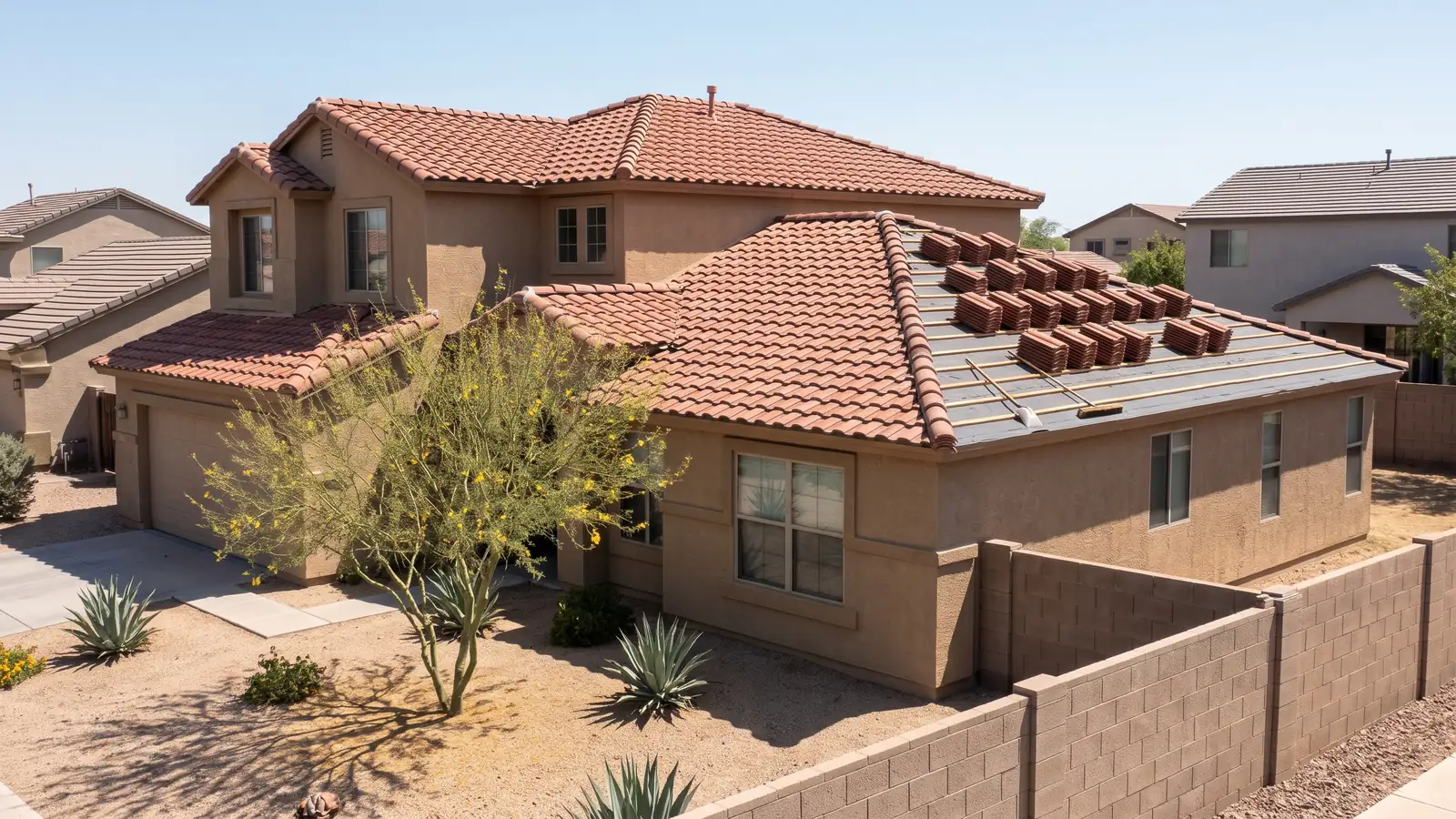
Tile roofing in Gilbert, AZ
Barrel Tile Roofing in Gilbert, AZ
- Price range: HomeGuide's general tile cost guide puts barrel or mission tile at $7.50 to $23.50 per sq ft installed, and $2.50 to $6.50 per sq ft for the tile alone, national figures.
- Piece count: a two-piece roof takes 150 pieces per square (100 sq ft), half pans and half covers.
- Labor: Angi rates barrel as the most labor-heavy tile style, because every piece is set and aligned by hand.
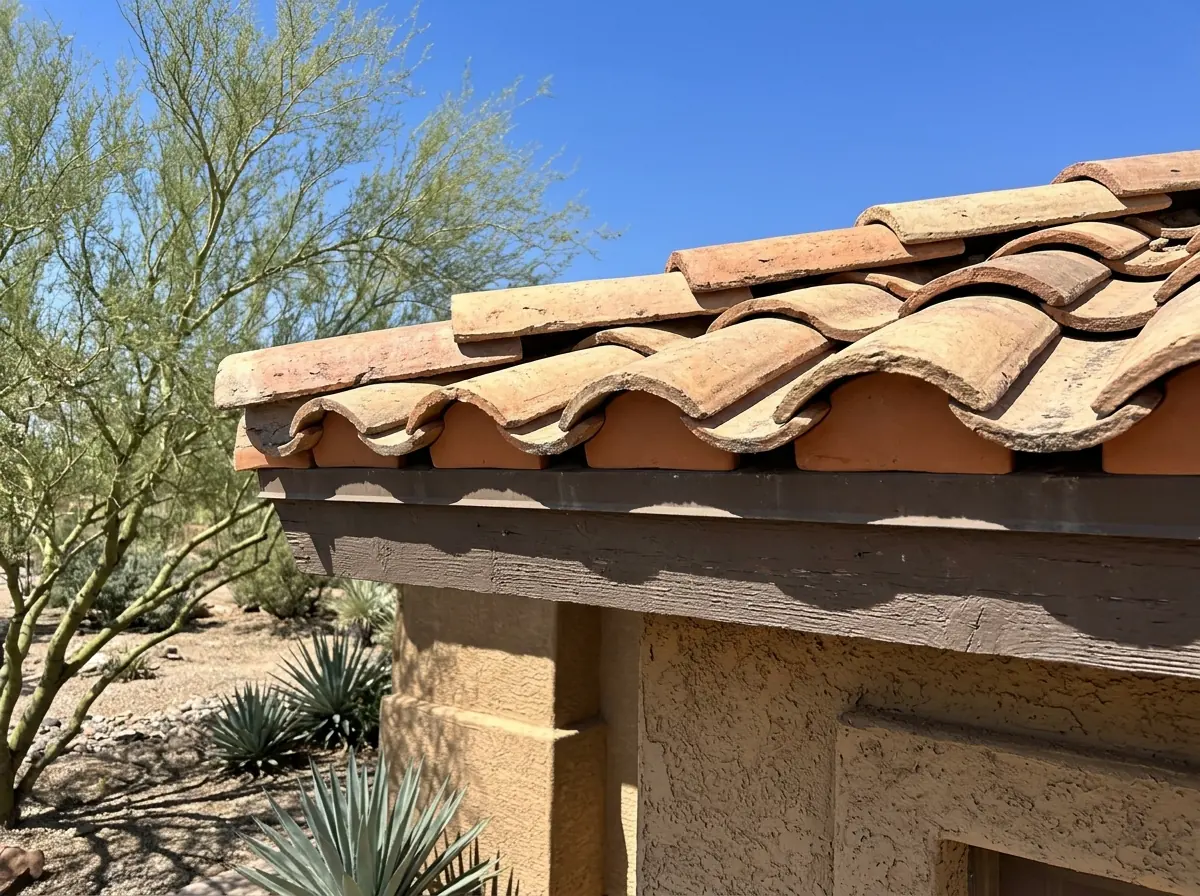
- Eave parts: high-profile tile needs a bird stop, and a 3 to 4 inch booster tile lifts the first cover course.
- Styles: two-piece mission comes in tapered and straight versions.
Tile Roofing Gilbert sets you up with one independent roofer for the barrel tile on your house. Those prices are averages from across the country, a way to read a bid rather than a forecast of yours. If you know whether the barrel is clay or concrete, and tapered or straight, pass that along; replacement pieces depend on it.
Barrel Tile Roofing Systems
A true barrel roof is built from half-round pieces: one row faces up as a channel, the next faces down over the joint. HomeGuide notes that "true barrel tiles are called mission tiles." How those pieces are shaped, fastened and started at the eave decides how the roof sheds water and how hard it is to repair.
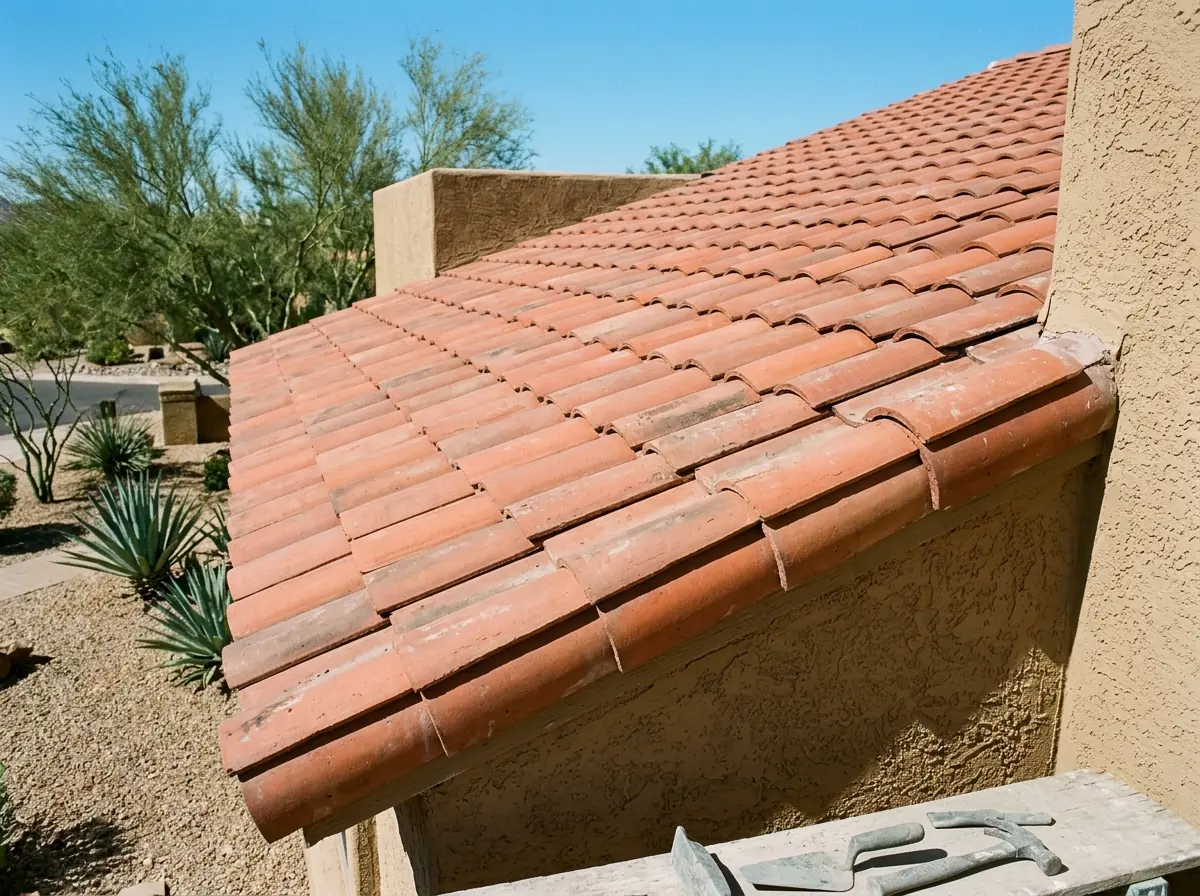
Two-Piece Pan and Cover
Pans carry the water; covers shed it into the pans. TRI's glossary calls this "pan and cover" tile, also known as two-piece or barrel mission. A nailer board or stringer can run under the covers to support and fasten them, and the first cover course uses a starter tile 3 to 4 inches shorter than the field tile.
- 150 pieces per square: 75 pans and 75 covers (NIST, MCA)
- MCA's tapered mission: 7 lb per piece
- Clay mission tile, material only: $4 to $14 per sq ft in HomeGuide's clay tile guide, a separate page from its general barrel range above
Weights per square for clay mission, next to clay S and flat tile, are on the clay tile roofing page.
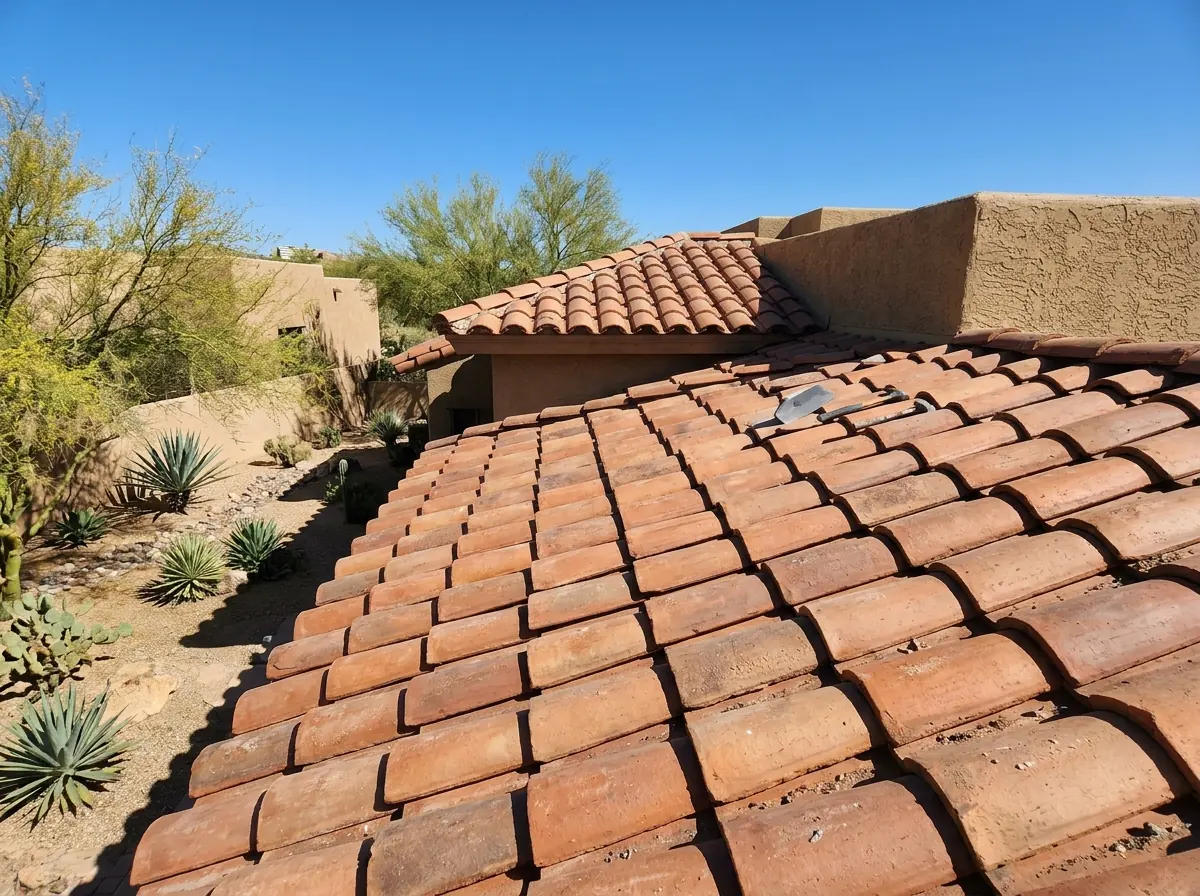
Straight vs Tapered Barrel
TRI lists both tapered and straight two-piece mission styles. A tapered piece narrows from one end to the other; a straight piece keeps one width end to end. MCA's Corona Tapered Mission shows the shape:
- 19 inches long, 8.71 inches wide at the wide end and 5.94 inches at the narrow end
- Laid at a 16 by 12 inch exposure
- Natural red terra cotta plus standard and custom colors and blends
The difference matters most in repairs. Since the two are separate styles, get the shape confirmed before anyone orders replacement pieces.
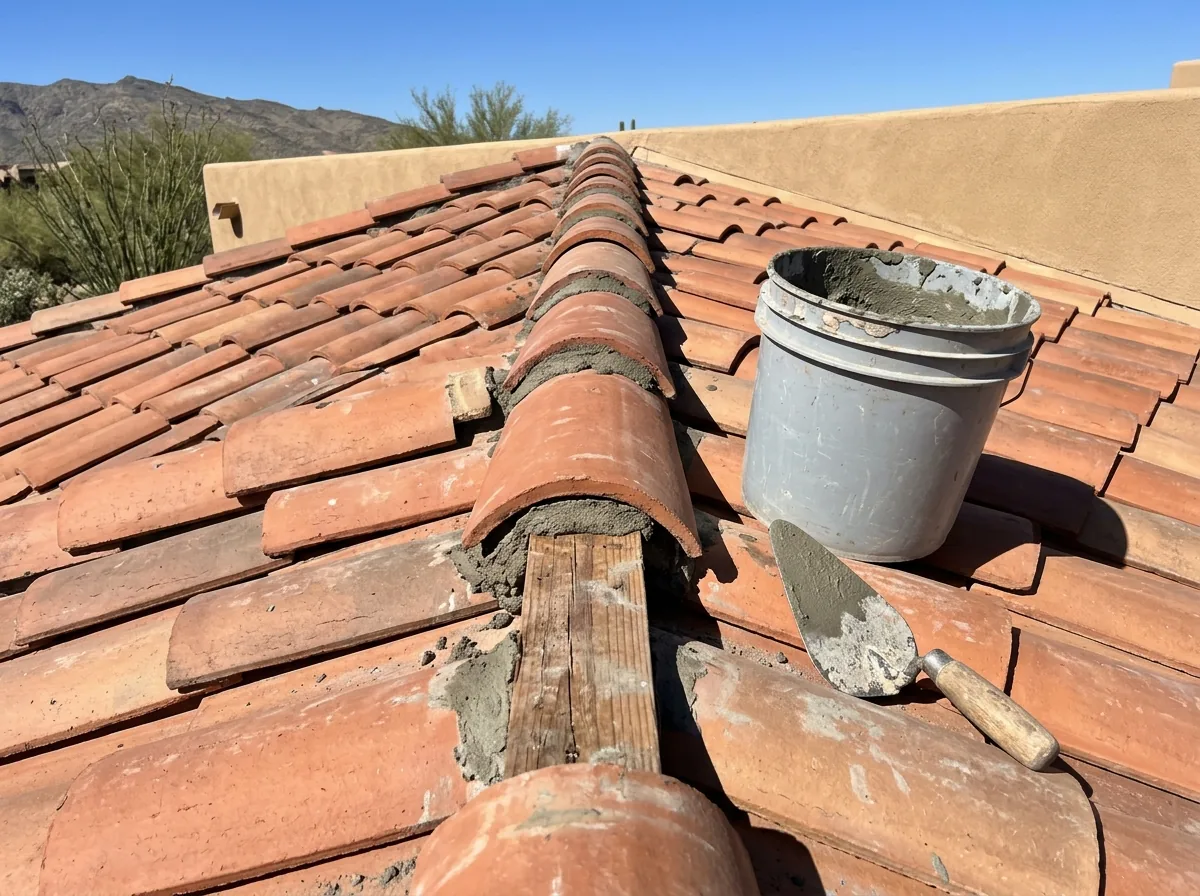
Mortar-Set, Nailed and Wire-Tied Barrel
TRI's terms name three ways to hold barrel tile, and they help when reading a bid:
- Bedding: setting tile in mortar or an adhesive foam patty. It's structural, meaning it holds the tile.
- Nailing: corrosion-resistant fasteners into the deck or a nailer, sized under the code covered on the underlayment replacement page.
- Wire tie system: wire of at least 0.083 inch that limits holes through the underlayment and works on decks that can't take nails.
Point-up is a fourth term that isn't a fastening method: TRI defines it as mortar that fills gaps at ends and edges, non-structural. Ask which method the roof has now and which the bid uses. Point-up mortar can look solid while holding nothing.
Eave Boosters and Closures
The first course on a barrel roof has parts of its own. TRI requires a bird stop on high-profile tile, and its glossary defines a booster tile as a 3 to 4 inch strip that lifts the cover tile. For the eave closure, the manual sets the height equal to the batten system plus one course of tile, and says the closure gives the first course its proper rise. HomeGuide adds that Spanish and mission tile need eave closures or bird stops to keep water out. Replacement closures on an existing roof are covered on the bird stop page.
Why Gilbert homeowners and HOAs call Tile Roofing Gilbert
- One request goes to one roofer, never to a call list
- Free to send, with nothing to sign until you have a written price
- Ask to see the R-42 or CR-42 license number on the contract
- Ask how many replacement tiles the price allows for
- You pay nothing for the introduction
Barrel Roof Repairs, Re-Lays and Odd Shapes
By NIST's counts, a two-piece barrel roof has 1.5 to 2 times the pieces of a one-piece S roof, and Rosie on the House notes that clay breaks more easily than concrete. Keep satellite and solar crews off the covers; walking rules are on the broken roof tile repair page.
On a re-lay, clay barrel comes off and goes back on. NIST says clay removed for underlayment work is usually stacked on a pallet and reused on the same building, and that old clay tile is often worth more than new. That makes the old pieces worth protecting: ask where the crew will stage them and how breakage is counted. Gilbert's code amendments exempt re-roofing that involves no structural change from a building permit, so a like-for-like re-lay falls under that exemption; reframing does not.
Towers, turrets and curved sections are where barrel shows its range. TRI's manual allows two-piece mission on a cone roof section even if the main roof is one-piece S, provided the two match in width and exposure. Near the top of a cone there's no room for pans, so covers finish it, and any gap gets mortar to keep the sun off the underlayment. If your house has a round entry tower, mention it on the first call.