
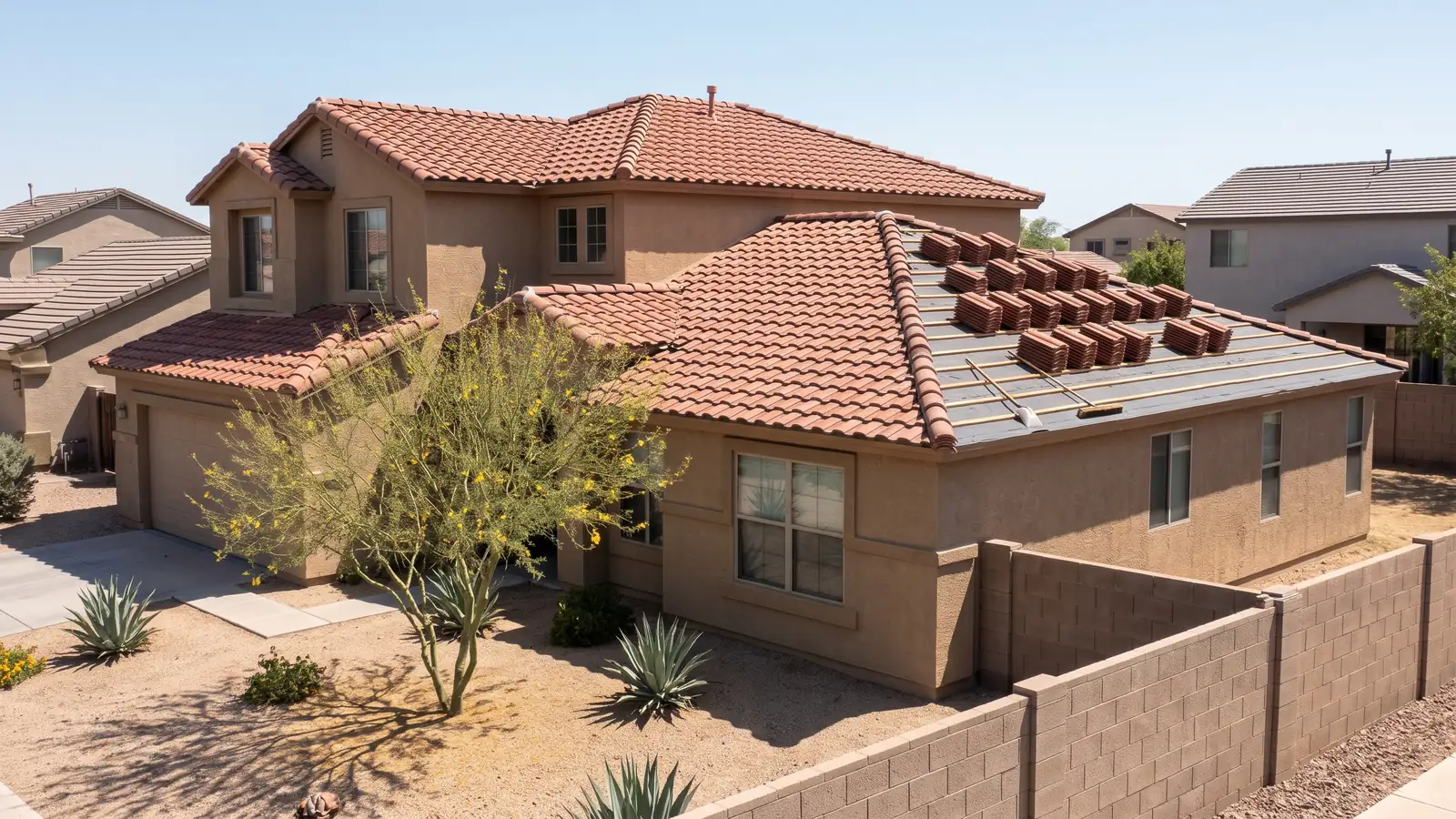
Tile roofing in Gilbert, AZ
Tile Roof Replacement in Gilbert, AZ
- Phoenix-area cost by size: about $12,400 to $38,800 for a 1,500 sq ft home and $24,800 to $77,500 for a 3,000 sq ft roof, in Angi's wording.
- Per square foot: $7 to $25 installed in national figures, with old-roof removal adding $1 to $3 or more.
- Time on the roof: most tile roofs go on in 3 to 5 days once the old one is off.
- Scope set by code: everything comes off down to the deck; new roofing can't be laid over clay or concrete tile.
- Permit: none in Gilbert for a re-roof that needs no structural change.
Read the ranges as market data for checking an estimate; no one has priced your house yet. For a full tear-off and new tile, Tile Roofing Gilbert puts you in touch with one local roofer, independent of this site. It helps to have the square footage, the tile you want and any HOA color list on hand.
Tile Roof Replacement by Scope
A replacement starts the same way every time. The code says a replacement removes the existing roof coverings down to the deck, and it forbids a recover over clay or cement tile. What changes from job to job is what goes back up.
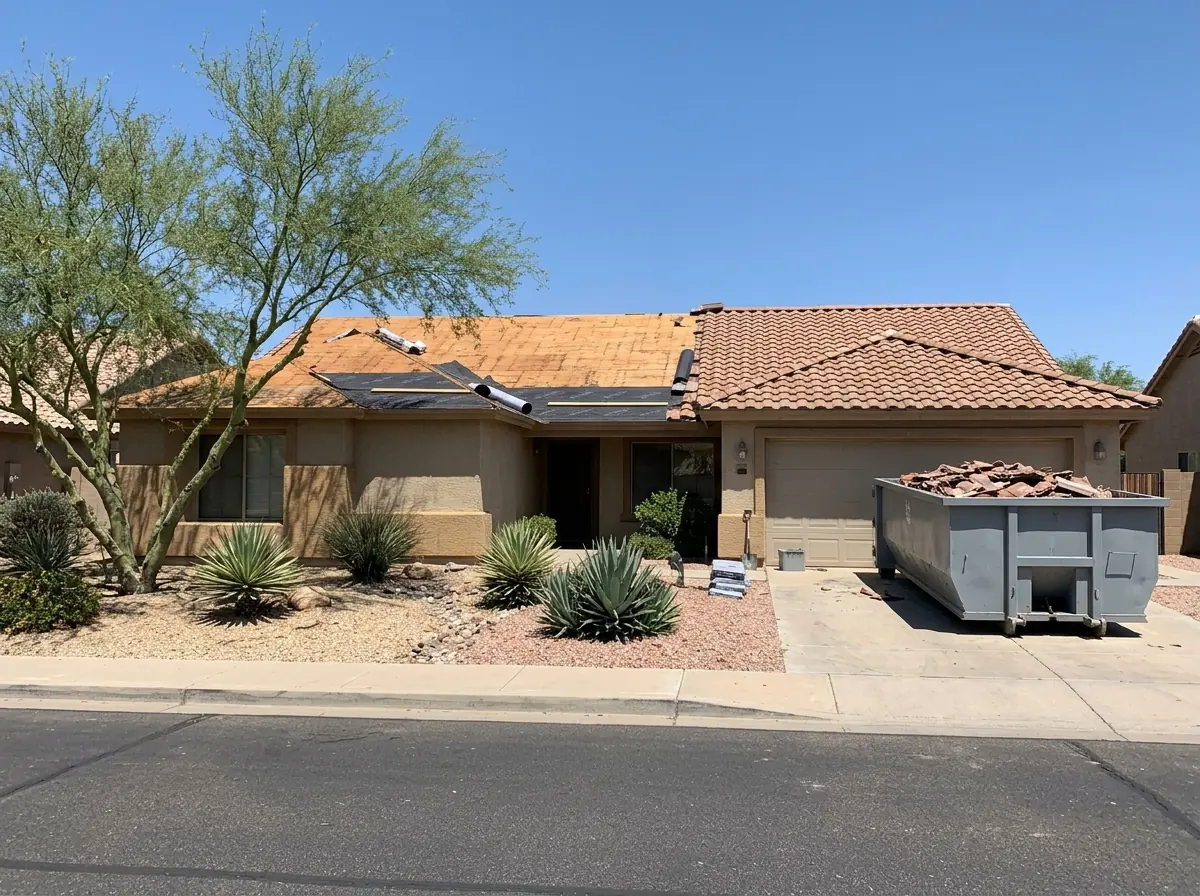
Tear-Off With New Concrete Tile
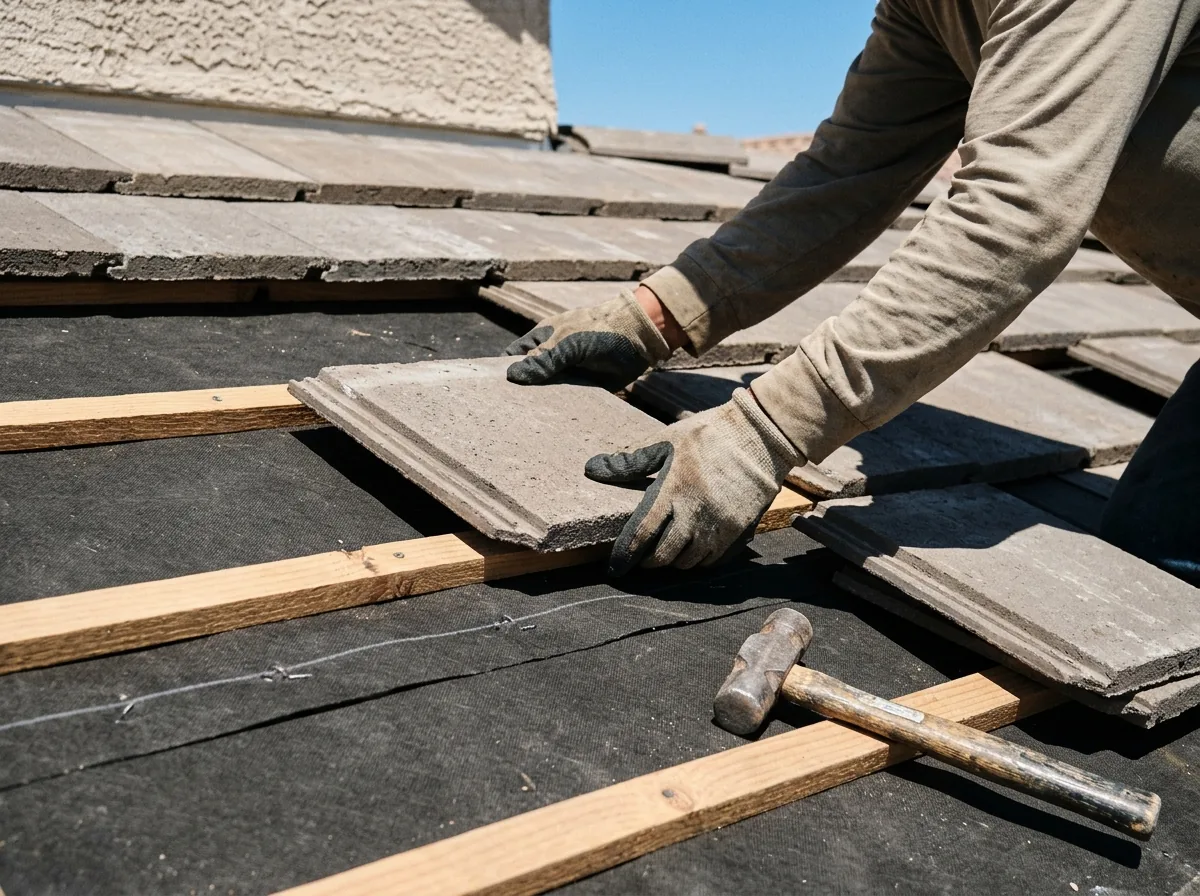
One way to replace keeps the look and swaps old concrete tile for new. A tear-off typically strips tile, underlayment and battens down to the deck so it can be checked, and the roof is dried in with new underlayment before the new tile is loaded. Concrete runs $7 to $19 per sq ft installed nationally; weights, lifespan and profiles are on the concrete tile roofing page.
- Typical removal cost: $1 to $3+ per sq ft
- Install time once dried in: 3 to 5 days for most tile roofs
New Clay Tile
Clay costs more installed than concrete and lasts longer, and one-piece and two-piece clay systems weigh different amounts. If you're replacing concrete with clay, ask the roofer to compare the per-square weights of the two products on paper before you commit. The numbers and the clay profiles are on the clay tile roofing page.
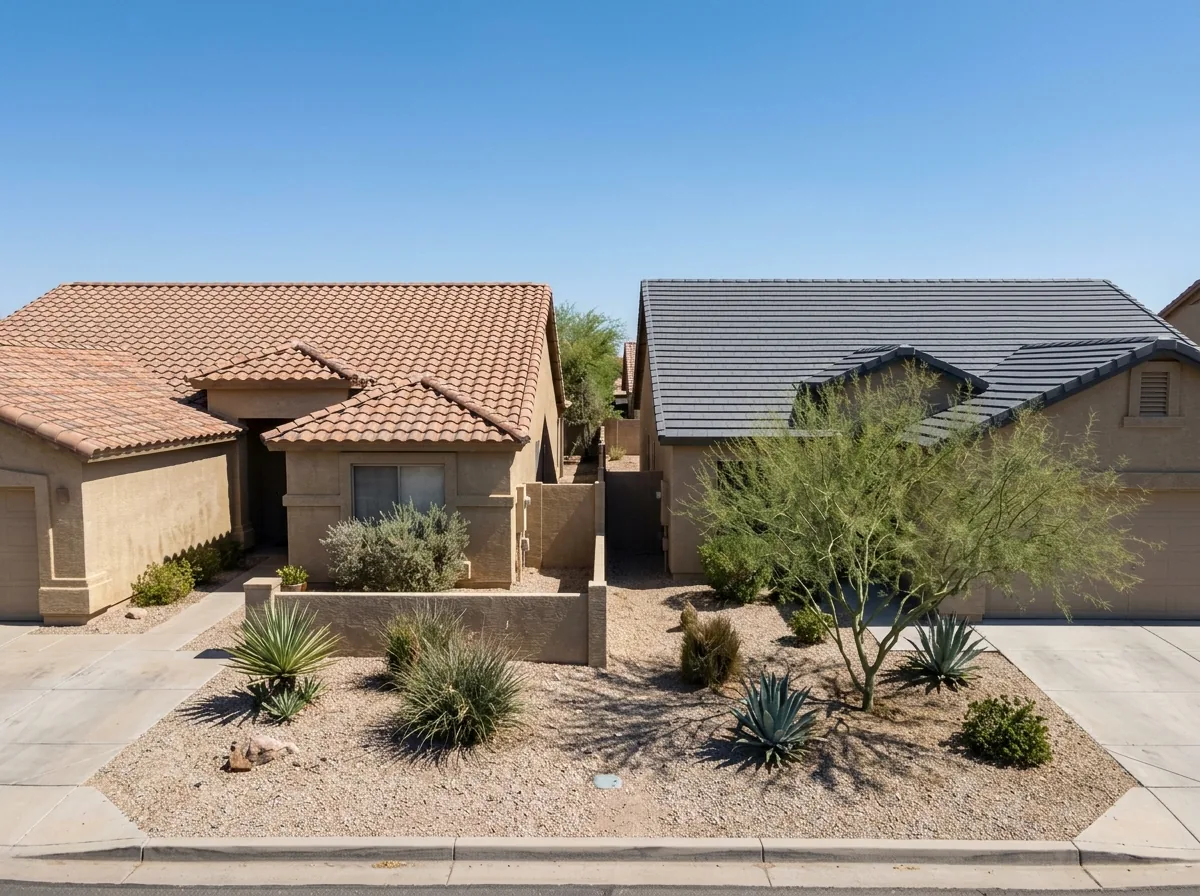
Profile or Color Change
A replacement is the only time you can change the tile's shape or color. Eagle, a concrete tile maker with a plant in Phoenix, sells high-barrel S-tile, medium-profile tile with a rise of up to 1 inch per 5 inches of width, and several flat profiles. Lighter shades are popular in the desert because they reflect the sun. Expect the color you pick to soften: Eagle says the surface layer of concrete tile usually wears within ten years and lightens the overall color. In a subdivision with design rules, get approval first; the HOA tile roofing page covers how.
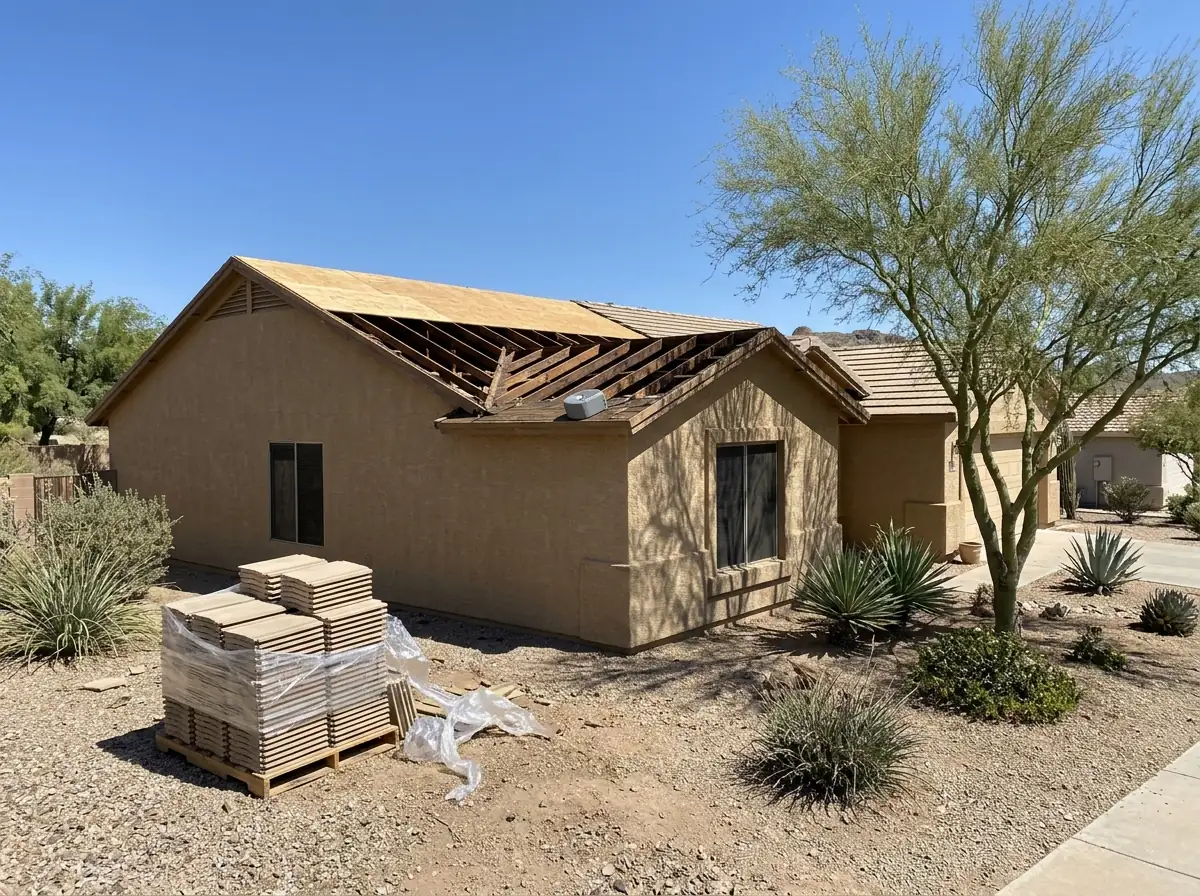
Lighter Tile on Older Framing
Where an engineer finds the rafters short of standard tile's weight, lightweight concrete is one option. Eagle markets its EagleLite line for re-roofs and sells it only in the western US, and it tells buyers to ask a roofer whether lightweight tile suits the structure. HomeGuide notes the trade-off: lightweight concrete costs more and breaks more easily. The code requires the roof structure to carry the covering and the installation loads; when that takes reinforcement, the shingle-to-tile conversion page explains the structural side.
Disposal and Haul-Off
Old tile is heavy, and Gilbert's curbside programs won't take it. The Town's bulk trash list excludes tile, concrete and other construction and demolition debris. Residents get one free self-hauled load every 30 days at two Mesa transfer stations, but it's capped at one ton. A 2,000 sq ft roof of standard concrete tile weighs around 9 tons by Eagle's per-square figures, so this is roll-off container work. The Town offers roll-off containers for large home improvement projects, or the roofer can arrange one. Ask whether the quote covers the container, the dump fees and a magnet sweep for nails.
Why Gilbert homeowners and HOAs call Tile Roofing Gilbert
- One request goes to one roofer, never to a call list
- Free to send, with nothing to sign until you have a written price
- Ask to see the R-42 or CR-42 license number on the contract
- Ask how many replacement tiles the price allows for
- You pay nothing for the introduction
Tile Roof Replacement Permits and Code in Gilbert
Gilbert adopted the 2018 International Residential Code effective January 1, 2020, and enforces it with Town amendments. One amendment adds "re-roofing not requiring a structural change" to the list of work exempt from a permit. So a straight tear-off and new tile needs no building permit.
Structural work changes that
A re-roof that needs framing changes isn't exempt and needs a permit.The code still applies
An exempt re-roof must still meet Chapter 9: slope, underlayment, fastening and flashing rules. The underlayment rules are on the underlayment replacement page.Next code cycle
Gilbert's 2024 code amendments are in draft, "coming soon January 2027," and the draft keeps the re-roof exemption.Questions about a specific job
Gilbert Development Services, (480) 503-6700.
Arizona's contractor regulator also reminds owners that permits are the property owner's responsibility, though many contractors include them. If your job involves framing, put in the contract who pulls the permit.
Tile Roof Replacement Cost by House Size
Angi's Phoenix-area table is the closest published figure to Gilbert:
| Size, as Angi states it | Typical replacement range |
|---|---|
| 1,500 sq ft home | $12,400 to $38,800 |
| 3,000 sq ft roof | $24,800 to $77,500 |
Labor alone
$5 to $18 per sq ft around PhoenixNational installed range
$7 to $25 per sq ft, $10,500 to $62,500 on averageRemoval
$1 to $3+ per sq ftTax
Angi's Phoenix page tells readers to account for the local 8.60% tax rate; ask whether a quote includes tax
The spread inside each band comes from the tile you choose, the pitch, how cut-up the roof is with hips and valleys, deck repairs found after tear-off (decking replacement) and solar panels that have to come off. If the tile is reusable, compare against a re-lay: the underlayment replacement job prices the underlayment at a fraction of new tile. Arizona requires any contract over $1,000 to spell out the price and payments in writing; what that contract must say is on the tile roof repair page.
Frequently asked questions
The roofer says our tile is shot, not just the felt. How can we tell they're right?
Ask what's wrong with the tile itself: how many pieces are cracked, whether the profile is still made, and whether the surface has worn through. Sound tile can legally go back on after new underlayment, which costs far less. If most of the tile is reusable, ask for a re-lay quote next to the replacement quote.
We'd like flat tile instead of our S-tile. Is that a bigger job?
Not structurally if the new tile weighs about the same, but it's a full replacement either way, since the old tile can't stay. Profile and color changes usually need HOA approval first, and Arizona's contractor regulator says the owner has to tell the roofer about those restrictions before signing.
Can our garage framing take new concrete tile, or do we need something lighter?
A like-for-like swap normally reuses framing that already carried tile. Going heavier, or putting tile where there was none, calls for a structural check, and any framing change takes the job out of Gilbert's permit exemption. If the framing is marginal, ask whether lightweight concrete tile is an option.
Where does all the old tile go?
Into a roll-off container, from the Town or one the roofer arranges. Gilbert's bulk trash pickup refuses tile and concrete, and the Town's free self-haul load is capped at one ton, far less than a tile roof weighs. Ask whether the quote includes the container, dump fees and the cleanup of broken tile from your yard.
Is it smarter to wait for the 2024 code before re-roofing?
There's no clear reason to. Gilbert enforces the 2018 codes now, and its draft 2024 amendments, due in January 2027, keep the same permit exemption for re-roofs without structural change. A roof that leaks today costs more in damage than any code change is likely to save.