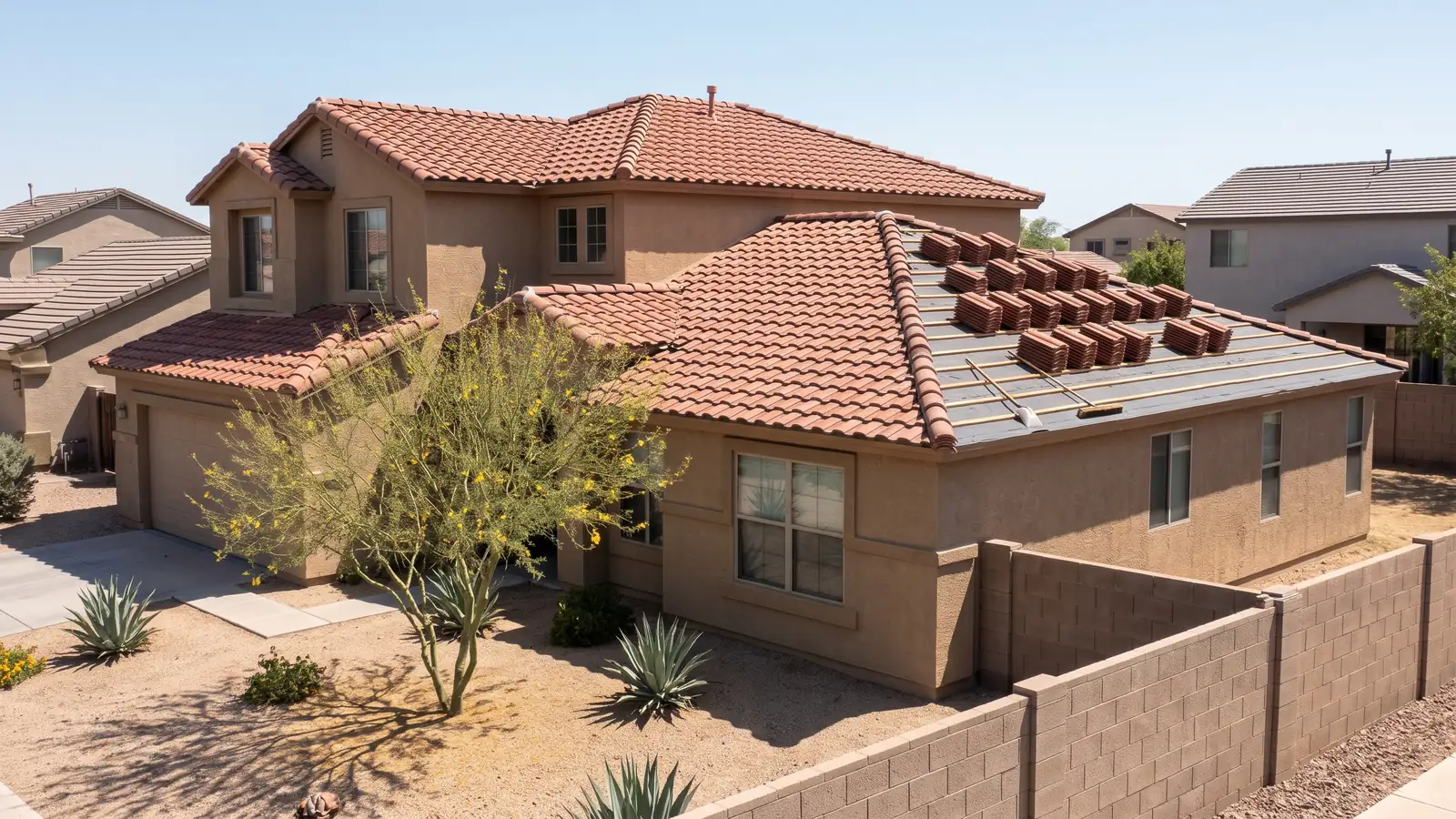
Tile roofing in Gilbert, AZ
Tile Roof Bird Stop and Eave Closure in Gilbert, AZ
Tile Roofing Gilbert sends your request on to one local roofer for the open arches along your eave. The basics before that call:
- When it's required: the TRI Alliance Concrete and Clay Roof Tile Installation Manual (2024 edition) requires bird stop on high-profile tile (S-tile and barrel) and leaves it optional on low and medium profiles unless the building official asks for it.
- The right height: an eave closure should match the batten thickness plus one course of tile, so the first row sits in plane with the rest.
- Materials: solid or vented bird stop, metal eave closures and risers, and screening in metal, honeycomb plastic, foam or mortar for bigger gaps.
The national cost guides used on this site don't price bird stop as its own item, so ask for it as a separate line on the bid. It helps to know your tile profile and whether birds are nesting there now.
Tile Roof Bird Stop and Eave Closure Options
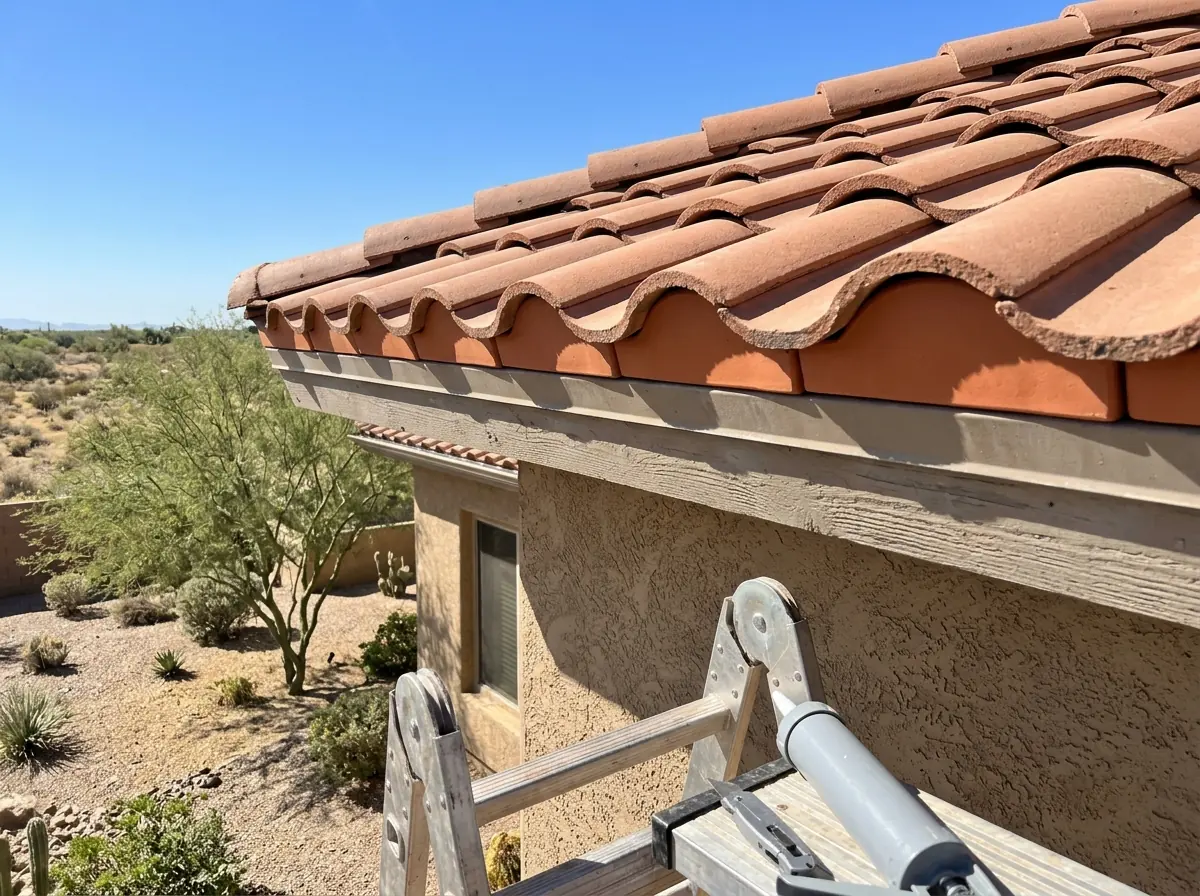
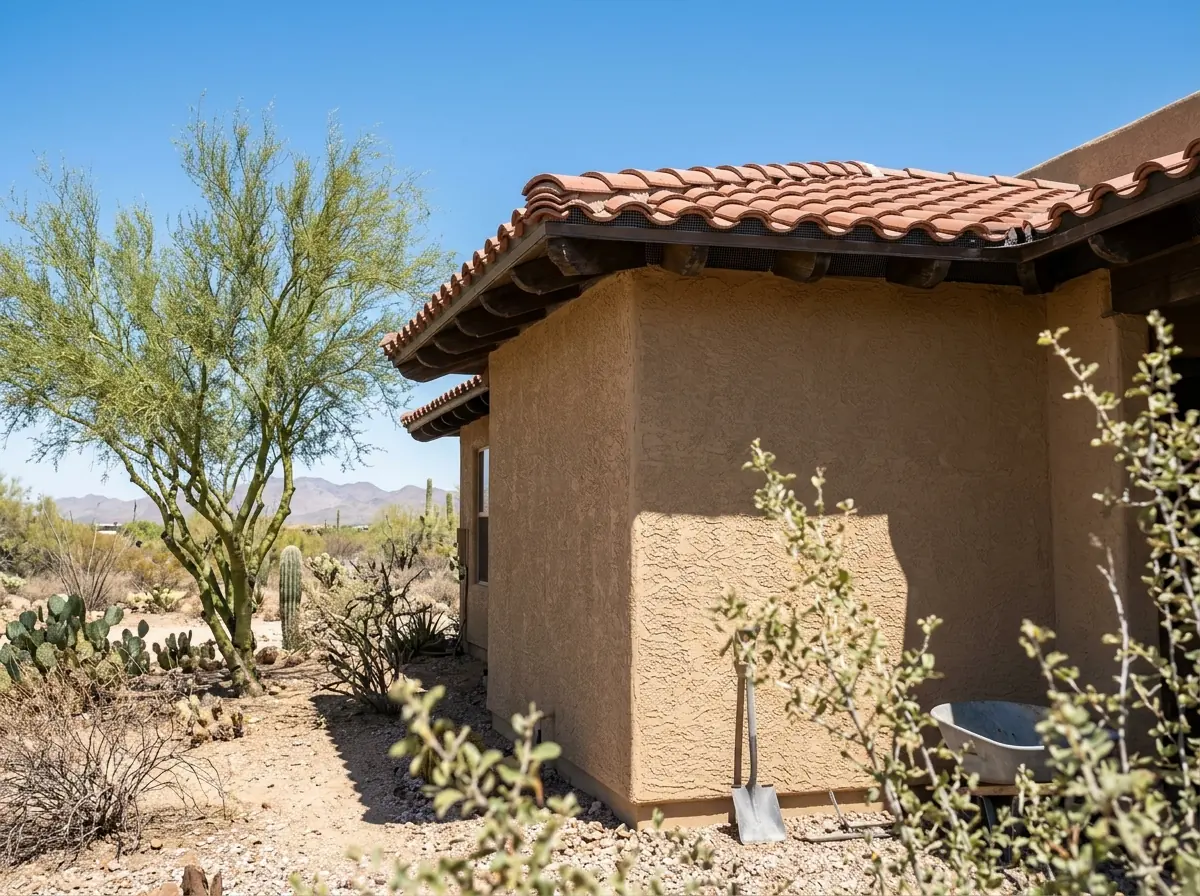
A curved tile leaves a hollow under its hump where it meets the eave. The manual defines a bird stop as the piece that keeps birds from getting in below the tile, and an eave closure as the accessory that fills that convex opening and gives the first course its lift. Which one fits depends on the profile and how the eave is built.
Clay or Concrete Bird Stop
Clay or concrete pieces that fill the arches at the eave. How they're cut and set for your profile is worth asking the roofer. The manual allows bird stop solid or vented:
- Solid: closes the arch completely.
- Vented: passes air into the space under the tile while keeping birds out, and can work alongside the attic intake described on tile roof ventilation.
Metal Eave Closures
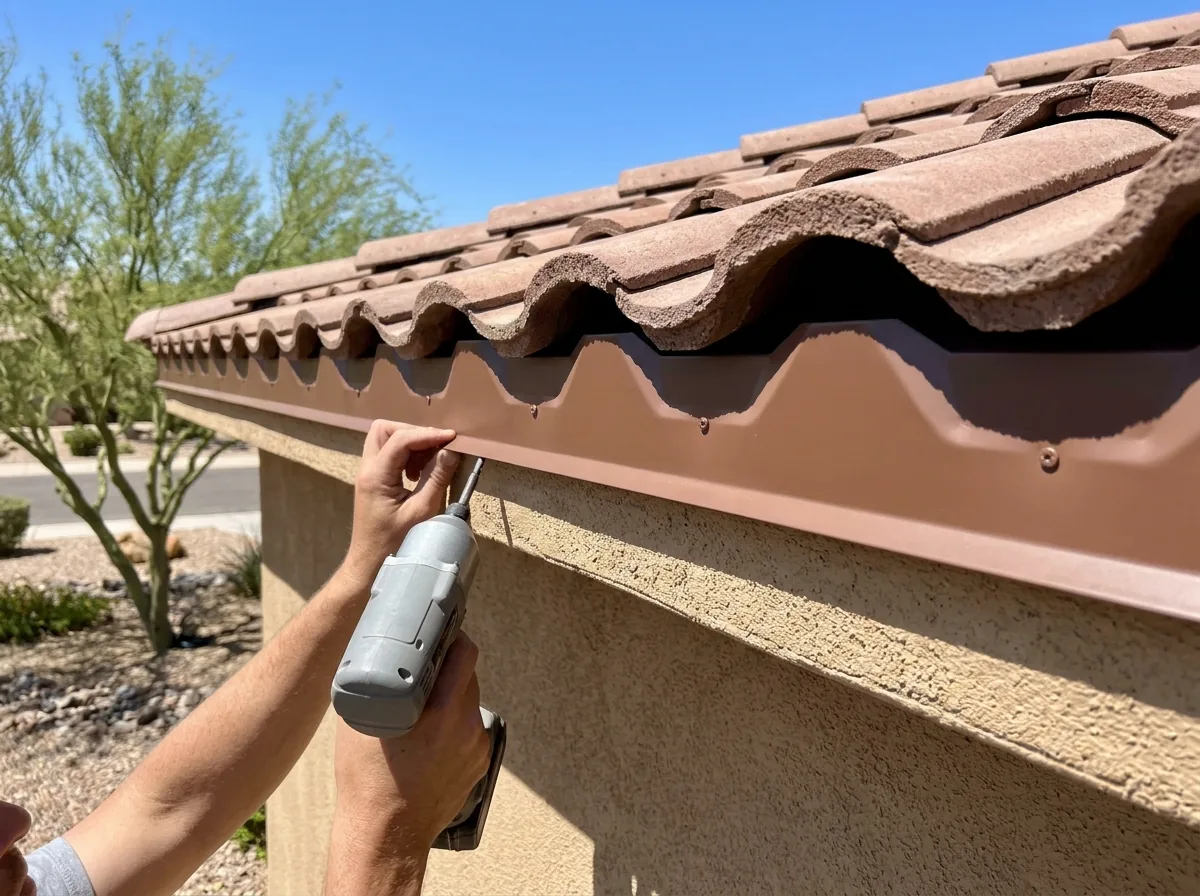
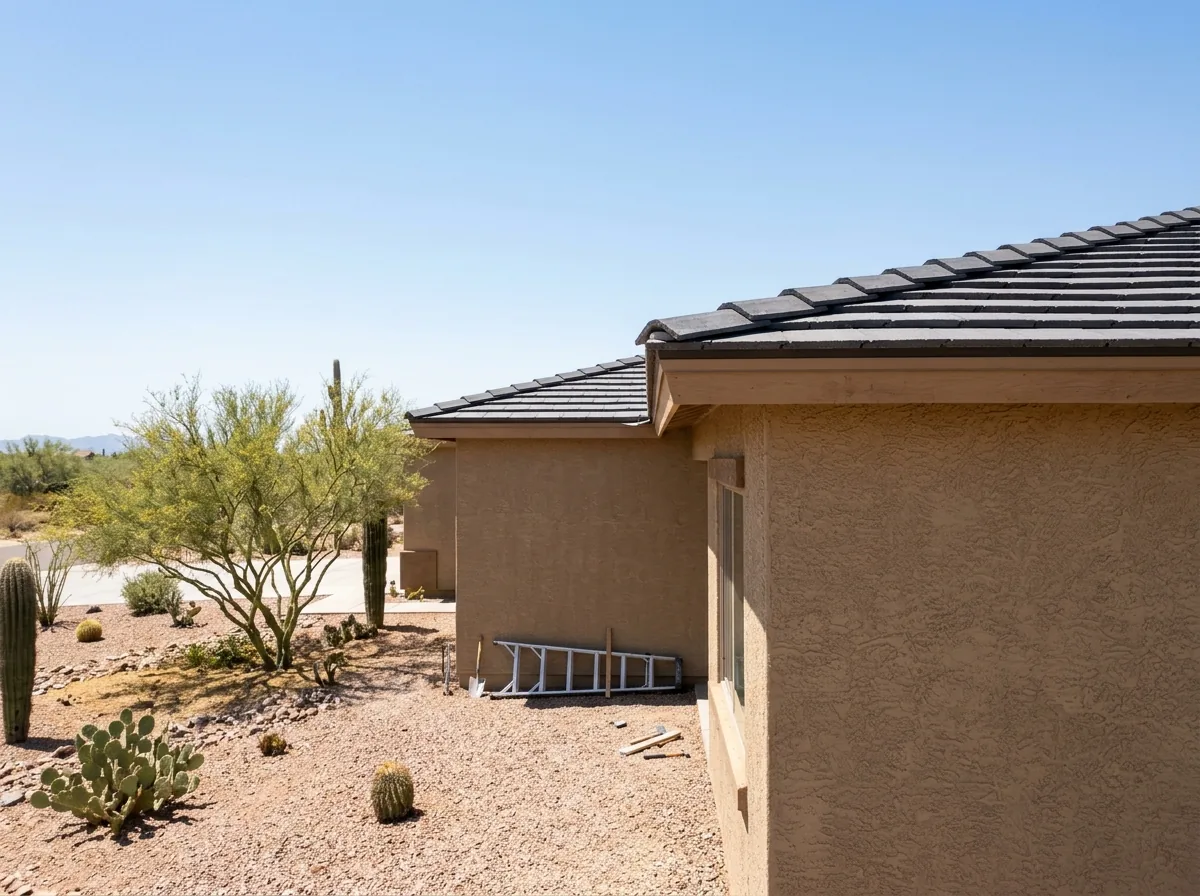
A formed metal strip with humps that match the tile, fastened along the eave. In the manual's eave drawings it sits with the required drip edge, and on high-profile tile it does the same job as a tile bird stop. Whether it can be retrofitted on your roof without a full re-lay is a question for the roofer.
Eave Risers
An eave riser lifts the nose of the first course up to the plane of the field tile. Without that lift, the bottom row sits lower than the tile above it. Where a raised fascia does the lifting, the manual recommends an anti-ponding strip or cant to support the underlayment so water can't sit in a dip behind the fascia.
Mesh and Inserts Under S and Barrel Tile
Gaps that a closure doesn't reach get screening. The manual suggests metal, honeycomb plastic, foam fillers or mortar to seal larger openings against birds and vermin. Two-piece barrel roofs add booster tiles, 3 to 4 inch strips that lift the cover tile; how those are set is on barrel tile roofing. Attic vent openings have their own screening rule in the code, covered on the ventilation page.
Clearing Nests Before Closing
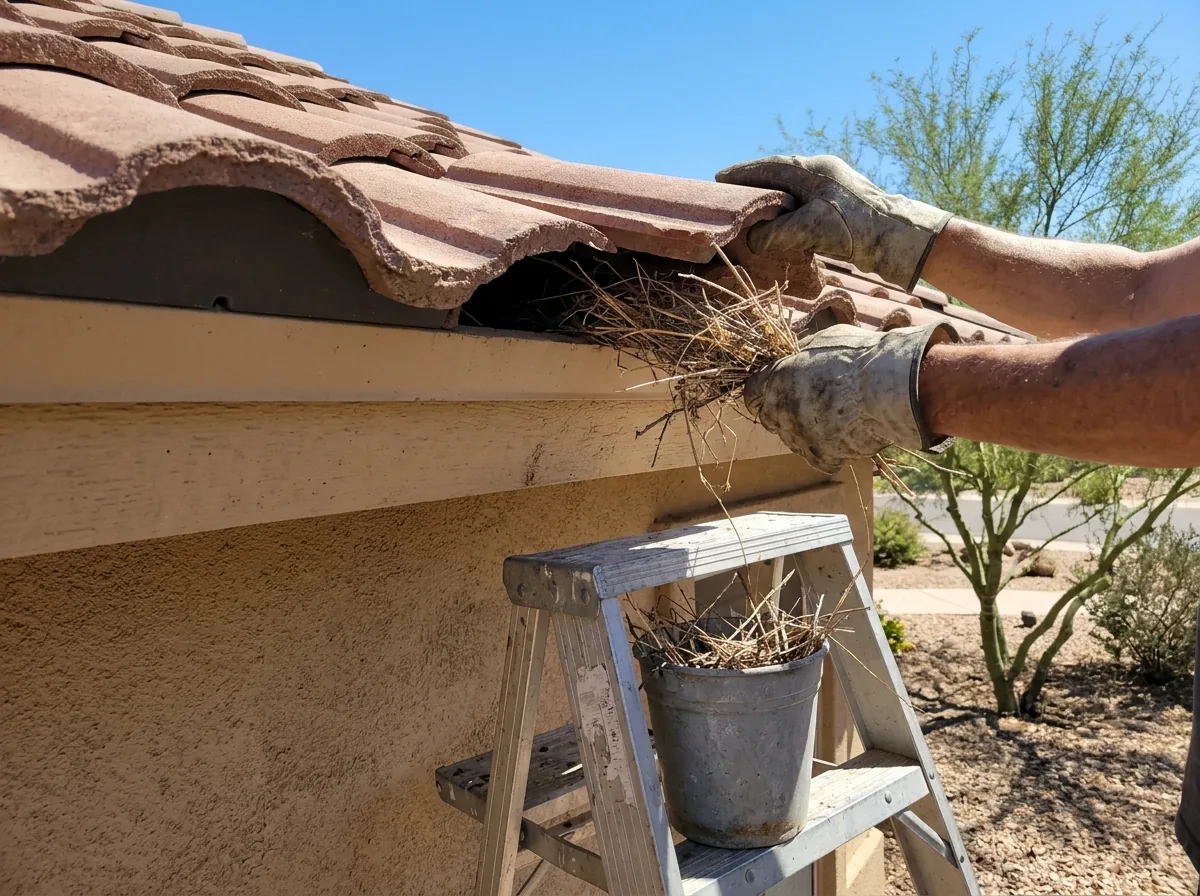
Close an eave over a nest and you've trapped the problem inside. Federal law matters here. The U.S. Fish and Wildlife Service says the Migratory Bird Treaty Act protects most native birds along with their nests and eggs, except as permitted by regulation. It doesn't cover the rock pigeon, the European starling or the house sparrow, though states and towns may protect non-native birds on their own.
- Pigeons, starlings, house sparrows: not covered by the federal act.
- Any other species with eggs or chicks: wait until the nest is empty, or ask a wildlife agency first.
- Old nest material: clear it out before the closure goes in, or it stays sealed under the tile.
Why Gilbert homeowners and HOAs call Tile Roofing Gilbert
- One request goes to one roofer, never to a call list
- Free to send, with nothing to sign until you have a written price
- Ask to see the R-42 or CR-42 license number on the contract
- Ask how many replacement tiles the price allows for
- You pay nothing for the introduction
Bird Stop During a Re-Lay vs. a Retrofit
Timing changes the job more than the material does.
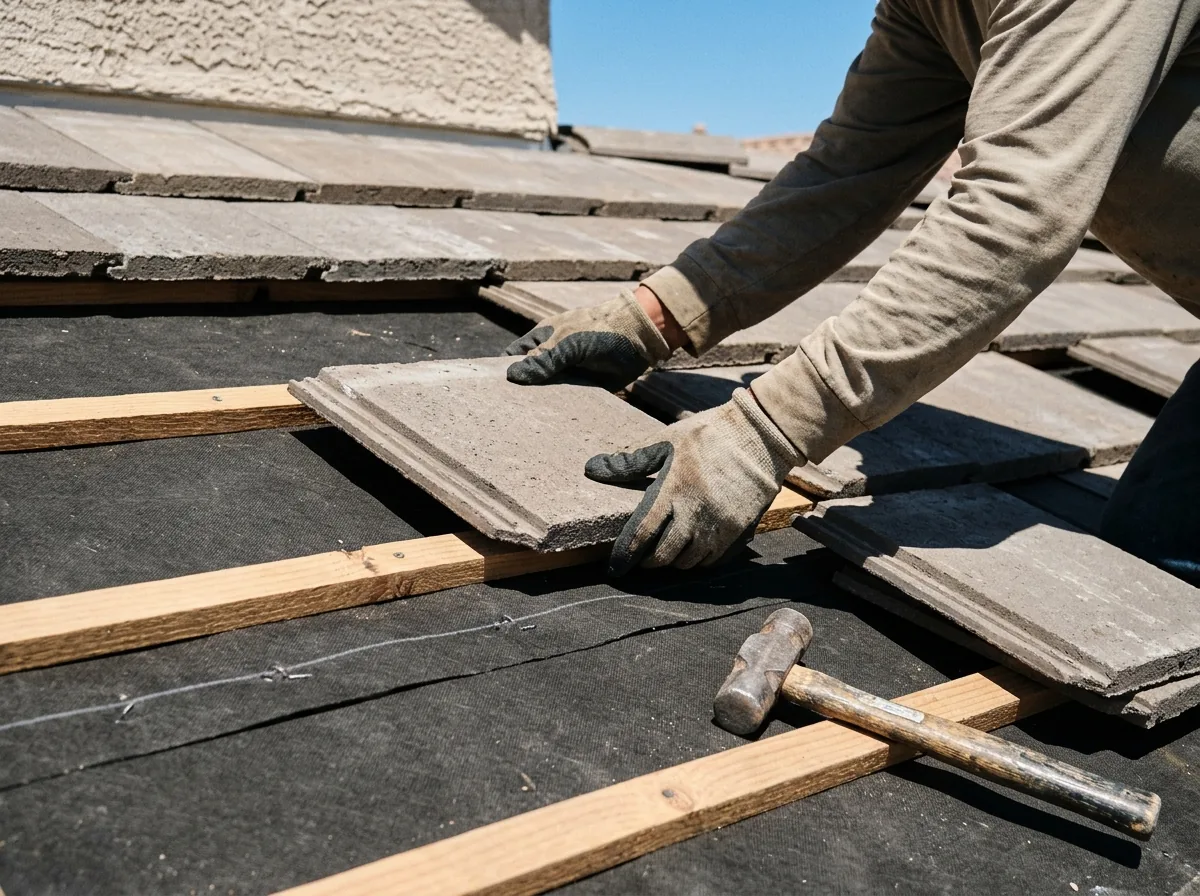
During a re-lay or replacement. The eave course comes off with the rest of the tile, so new closures can go in with the first row; ask what they add to the bid. If your roof is due for underlayment replacement, ask for bird stop to be written into that scope by name.
As a retrofit. The first course has to come up. The code treats eave tiles as perimeter tiles that each need at least one fastener, and some wind and height conditions in the manual add nose clips, so a retrofit means undoing that fastening and redoing it. Settle these with the roofer up front: tile or metal closure, solid or vented; how the eave tiles get refastened afterward; how many might crack coming off and whether spares are on hand; and the state of the drip edge while it's exposed.
If birds are already under the field tile and not just at the eave, the eave closure won't fix it alone. Ask for a look at the slipped or broken tiles that let them in; see broken roof tile repair.